


Cosmetic Packaging Trends in India: Shaping the Future of Beauty Brands
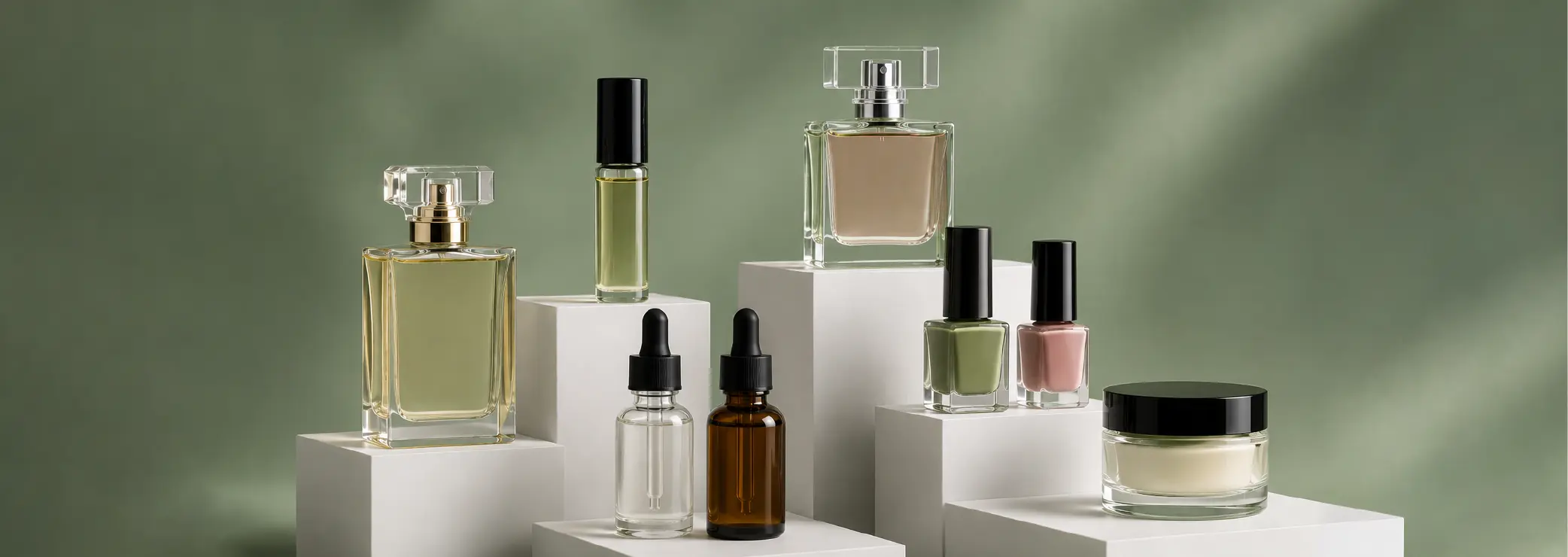
The Indian beauty and personal care industry is undergoing a remarkable transformation. Rising disposable incomes, growing awareness of skincare, the growing influence of social media, and the rapid expansion of D2C beauty brands have created a highly competitive market where packaging plays a crucial role in product success.
In this article, we will look at how cosmetic packaging trends in India are changing.
Today’s consumers invest in brands that offer a complete experience, unlike earlier generations that just bought products. Packaging has become the first touchpoint between a brand and its customer, influencing buying decisions, reinforcing brand identity, and communicating quality before the product is even used.
From luxury skincare to clean beauty and herbal cosmetics, packaging trends are shifting quickly to keep up with consumer demand.
When it comes to premium cosmetics, glass seems to be the top material of choice, and it’s not hard to see why. It’s elegant, endlessly recyclable, kind to the environment, and protects sensitive formulations in a way few alternatives can match.
Premium Packaging vs Premium Brand Image
It's the packaging that introduces the product to the customer. It is this packaging that makes customers pass judgement on your offering - to pick or pass- even before evaluating its ingredients or experiencing it. Elegant packaging instantly creates an impression of quality, luxury, and trust.
Premium packaging is the choice for Luxury skincare brands, facial oils, serums, perfumes, and wellness products. They rely on high -quality glass bottles and jars to enhance their visual appeal. Thick-base glass bottles, frosted finishes, metallic closures, and minimal labels contribute to a sophisticated aesthetic that appeals to modern consumers.
For premium beauty brands, packaging is no longer just a container of the formulation but an extension of the product itself.
Sustainability Is Becoming a Business Priority
Sustainability has shifted from a marketing talking point to a genuine purchasing factor. Consumers are consciously seeking out brands that demonstrate environmental responsibility, not just in what's inside the product but also in how it's packaged.
Glass has emerged as one of the preferred materials for this shift, and for good reason:
- 100% recyclable — indefinitely, without any loss in quality
- Reusable by consumers well beyond the product's original life
- Free of the concerns tied to single-use plastic waste
- Non-reactive with cosmetic formulations, preserving product integrity
- Naturally suited to refill and circular packaging models.
More and more beauty brands are now actively encouraging customers to reuse or refill their glass containers. A move that cuts packaging waste while quietly deepening brand loyalty. Every refill is a small, repeated act of trust in the brand.
As India's beauty industry gets more committed to sustainable practice, recyclable packaging is no longer a nice-to-have. It's becoming one of the clearest differentiators for brands positioning themselves as premium.
Minimalist Packaging Is Winning
Simplicity over excess is the path modern cosmetic packaging is choosing. An Instagram-first, photogenic approach has led brands to increasingly lean toward clean, considered designs that feature neutral colour palettes, elegant typography, transparent labelling, understated logos, and minimal graphics.
This restraint is a statement and not a design limitation. Minimalist packaging signals class and confidence, letting the product itself take centre stage rather than competing with its container.
Glass is a natural fit for this trend. It showcases the true colour and texture of creams, oils, serums, and perfumes without needing extra decoration to do the work. What's inside becomes the design.
The result is a premium look that strikes a chord especially well with skincare enthusiasts and wellness-focused consumers, buyers who read "less" as a signal of quality, not compromise.
Transparent Packaging Builds Consumer Trust
Consumers Want to See What They're Buying!
Today's buyers don't just want to trust a label. They want to see the product for themselves. Transparent glass containers let customers view the colour, consistency, and purity of a formulation before it's even opened, turning the packaging itself into a form of proof.
This transparency of the container carries real importance when it comes to facial serums, essential oils, herbal skincare, body oils, bath salts, organic creams, and aromatherapy products, categories where people are used to judging quality by eye before they even read the label. A clear, clean texture often says as much about a product as its ingredient list does.
For clean beauty brands especially, visible packaging does more than look good on a shelf. It reinforces authenticity and quietly backs up claims of natural ingredients and product purity, no need to ask customers to take the brand's word for it.
Enhancing the User Experience
For modern cosmetic packaging, looking good needs to be complemented by working well. Consumers demand packaging that reiterates hygiene, is easy to use, and is built for everyday convenience, not just an attractive container, but one that adjusts seamlessly into their routine.
Here is where closures become really critical to delivering on the promise. Dropper bottles bring precision to serums, pump dispensers control lotion output, airless packaging protects premium skincare formulations from air and contamination, wide-mouth jars make creams easy to scoop, roll-on bottles suit essential oils for targeted application, and fine mist sprayers deliver facial mists in a fine, even spray.
One detail that often gets overlooked is the closure. Choosing the right cap, pump, dropper, or sprayer does more than seal the bottle. It actually defines teh customer experience. It protects the product, prevents leaks during shipping, and makes sure customers can use it with ease. For products like serums, lotions, and oils, the closure actually can be used to dispense just the right amount with each press; it minimises wastage and enhances the overall experience. When packaging feels effortless and intuitive to use every day, it leaves a lasting impression, and that's often what keeps customers coming back.
Protection of Sensitive Formulations
Many cosmetic products, especially Ayurvedic, herbal, and natural formulations, contain active ingredients. Their quality and effectiveness are heavily dependent on the packaging used.
In this category of products, glass is the material of choice for packaging. This is because glass is inert, meaning it does not interact with the formulation or leach chemicals that could alter its properties over time. Options like amber and green glass also help shield light-sensitive ingredients from UV exposure, preserving their potency.
This results in additional benefits such as retaining the product's original fragrance, colour, and texture, decreasing the chances of contamination, and increasing shelf life, making it ideal for premium skincare and wellness products.
Formulations built around Vitamin C, retinol, botanical extracts, essential oils, and premium fragrances are especially reliant on this kind of protection. Active, sensitive ingredients that degrade quickly in the wrong container. Amber and frosted glass bottles are particularly well suited to the task, blocking the light that breaks these ingredients down while giving the product a more premium, considered appearance on the shelf.
Personalisation Is Becoming a Major Trend
Consumers today are demanding personalisation. Brands want to stand out from the crowd in a rapidly growing market. Packaging now plays an important role; in addition to storing the product, it needs to become the brand's salesperson. The same is finding expression in the creation of a sense of exclusivity through custom bottle shapes, embossed branding, premium caps, metallic finishes, decorative printing, and limited-edition collections. All signal that the product is designed with intention, not just function.
Personalised packaging does more than command attention; it strengthens brand recognition and turns a simple purchase into a memorable unboxing experience. Many direct-to-consumer beauty brands are extending this sentiment further by offering seasonal packaging and a separate lineup of gifting collections to keep customers engaged well beyond the first purchase.
E-Commerce-Friendly Packaging Is Essential
The adoption of online platforms by the cosmetic industry has grown multifold in the last couple of years, spanning brand websites, marketplaces, and quick-commerce platforms. That growth puts new demands on packaging: it now has to survive the roughest of transportation without adding costs and arrive at the customer’s doorstep looking premium.
Traditionally, a good cosmetic packaging design was one that prevented leakage, resisted breakage, protected delicate formulations, and weathered the ups and downs of shipments, but today it needs to deliver one more aspect - an unboxing experience that feels considered rather than purely functional. Glass containers, paired with secure closures and protective secondary packaging, deliver on both fronts: product safety and premium presentation. And as glass photographs well, it delivers a strong unboxing moment that often does its own marketing, prompting customers to share their purchases on social media.
The Brand Storytelling
Consumers today are a lot more informed; they research the brand as much as they do the product. Their choices lean towards brands that show authenticity and purpose, and packaging is now a key way to tell that story. Brands use packaging to highlight natural ingredients, Ayurvedic roots, sustainable sourcing, cruelty-free and vegan certifications, small-batch production, and clean beauty promises; often before customers read any reviews.
QR Code - The magical code that transforms your packaging from a silent salesperson to a salesperson who actually tells your story without your dedicated employee being present. They offer an opportunity to engage customers, sharing details on the product such as ingredients, product tutorials, sustainability efforts, and brand stories right from the packaging. This results in a deeper engagement and stronger trust over time.
Refillable Packaging Is Gaining Popularity
One of the sustainable initiatives that many cosmetic brands, especially in the fragrance industry, are undertaking is refillable packaging. Instead of throwing away containers, customers can buy refill packs or replacement cartridges and keep using the same glass bottle or jar.
This approach benefits all. It lowers environmental impact and packaging waste, saves money for customers, and helps brands build loyalty and a premium image. While sustainability becomes an expectation, refill systems will likely become standard in skincare and wellness, not just a special SKU.
Small Formats for Convenience and Travel
Travel and gifting demand small packaging. Travel-friendly packs make it easy for people to carry cosmetics onboard and travel light.
Miniature cosmetic packaging makes a perfect choice for gifts, samples, and subscription boxes.
Small glass bottles and jars find favor with facial serums, essential oils, trial-size skincare kits, perfume samples, and luxury gift sets. They help brands launch new products, encourage first-time trials, and reach new customers, all while keeping a premium image.
Cosmetic Packaging Trends in India - the way forward
There is a discernible shift in the Indian cosmetics industry towards packaging that looks good, works well, and is sustainable. More consumers want products that deliver results and align with their values and lifestyle.
The relevance of glass packaging remains, as it looks premium, protects products well, is recyclable, and lasts a long time. As beauty brands work to build trust and create memorable experiences, smart packaging design will stay a key advantage.
Whether it’s a luxury serum, herbal face cream, perfume, or wellness oil, good packaging can make a product stand out, build brand identity, and influence what people buy.
The Takeaway
Packaging is now one of the best ways for cosmetic brands to stand out in a crowded market. Today’s consumers want more than just good looks—they expect sustainable materials, useful features, a premium feel, and packaging that matches the product’s quality.
For beauty and personal care brands in India, choosing high-quality glass packaging is more than just a design decision. It’s an investment in protecting products, building trust, and growing the brand over time. As trends change, brands that use innovative, sustainable, and customer-focused packaging will be best placed for future success.